
Opioid withdrawal can be very uncomfortable and difficult for the patient. Offer accurate, realistic information about drugs and withdrawal symptoms to help alleviate anxiety and fears. It is very common for people who complete withdrawal management to relapse to drug use. It is unrealistic to think that withdrawal management will lead to sustained abstinence. Rather, withdrawal management is an important first step before a patient commences psychosocial treatment. There is significant concern regarding overprescribing of benzodiazepines and the resultant harms.
Studies within a trial or a review
Additionally, given the continual rise of anxiety and sleep-disordered problems over the decades, BZDs remain a regular fixture in the United States today [7]. However, with this ongoing, widespread use comes the dark reality of BZD dependence [6]. The term ‘withdrawal management’ (WM) has been used rather than ‘detoxification’. This is because the term detoxification has many meanings and does not translate easily to languages other than English. Offer symptomatic medication as required for symptoms such as headaches, nausea and anxiety (Table 3). Patients with cognitive impairments as a result of alcohol dependence should be provided with ongoing vitamin B1 (thiamine) supplements.
Management of moderate to severe opioid withdrawal
The dose of buprenorphine given must be reviewed on daily basis and adjusted based upon how well the symptoms are controlled and the presence of side effects. The greater the amount of opioid used by the patient, the larger the dose of buprenorphine required to control symptoms. Symptoms that are not satisfactorily reduced by buprenorphine can be managed with symptomatic treatment as required (see Table 3). Anticonvulsants have some efficacy in benzodiazepine withdrawal if the patient is not dependent on other drugs. Carbamazepine has a modest benefit12 and pregabalin can be effective.18 Antidepressants and beta blockers have no proven benefit. Patients with low-dose dependence do not typically abuse other drugs or alcohol.1 Assess each patient’s behaviour against the DSM-5 SUD criteria (Table 2) to gauge severity of the dependence.

3. WITHDRAWAL MANAGEMENT FOR OPIOID DEPENDENCE
Withdrawal typically begins 1-2 days after the last dose, and continues for 2-4 weeks or longer. When used appropriately they are very effective in treating these disorders. However, when used for an extended period of time (e.g. several weeks), dependence can develop. Methadone is useful for detoxification from longer acting opioids such as morphine or methadone itself. It can provide relief to many of the physical symptoms of opioid withdrawal including sweating, diarrhoea, vomiting, abdominal cramps, chills, anxiety, insomnia, and tremor. Opioids are drugs such as heroin, opium, morphine, codeine and methadone.
Patients who exhibit severe psychiatric symptoms should be referred to a hospital for appropriate assessment and treatment. People who use large amounts of stimulants, particularly methamphetamine, can develop psychotic symptoms such as paranoia, disordered thoughts and hallucinations. These severe benzodiazepine withdrawal syndrome symptoms can be managed using anti-psychotic medications and will usually resolve within a week of ceasing stimulant use. To avoid the risk of overdose in the first days of treatment methadone can be given in divided doses, for example, give 30mg in two doses of 15mg morning and evening.
1. Factors Influencing Withdrawal Symptoms
Stabilise patients taking high-dose benzodiazepines on diazepam prior to dose reduction. The rehab and treatment process is intended to not only detox the body from harmful substances but also to uncover the roots of addiction through counseling sessions and extensive assessments with trained medical staff. Drug addiction controls the lives of many people, and a lot of those people feel trapped since they also rely on the drug to treat anxiety, seizures, or other issues.
- The study also showed that 64% of heroin users are also abusing BZD [46].
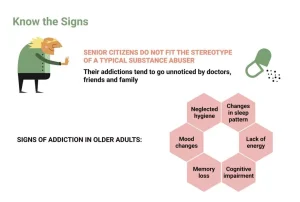
- The researchers in the study cautioned the prescription of BZD in the elderly due to the potential for cognitive decline [73].
- The study showed that in oxycodone users, combination use with diazepam was the most prevalent [44].
- One study found that propranolol attenuated some withdrawal symptoms in patients who stopped taking either diazepam (a long-acting BZD) and those who took lorazepam (a short-acting one) abruptly [69].
Management of mild alcohol withdrawal (AWS score 1-
Patients should drink at least 2-3 litres of water per day during withdrawal to replace fluids lost through perspiration and diarrhoea.
- Carbamazepine has a modest benefit12 and pregabalin can be effective.18 Antidepressants and beta blockers have no proven benefit.
- Finding a medical detox facility is the safest way to continue the rehab process since benzodiazepine withdrawal symptoms can be severe.
- Stabilise patients taking high-dose benzodiazepines on diazepam prior to dose reduction.
- The subjects were interviewed with surgery-based consultations for approximately 10 min [12].