The body converts the ethanol in alcohol that we drink to a chemical that can trigger headaches. Many people may also develop headaches due to the dehydrating effects of alcohol. Most studies point to red wine as a common headache culprit, particularly in people with migraine.
International Patients
Migraine is a symptom of an underlying condition, and one of the elements of a migraine is a headache. A migraine is headache with other symptoms such as sensitivity to light and sound, nausea, vomiting, aura and more. We know that if we treat the underlying cause, we can make great strides in helping migraine patients live pain-free. Drinking even a small amount of alcohol can trigger headache symptoms in certain individuals.
Frequently Asked Questions
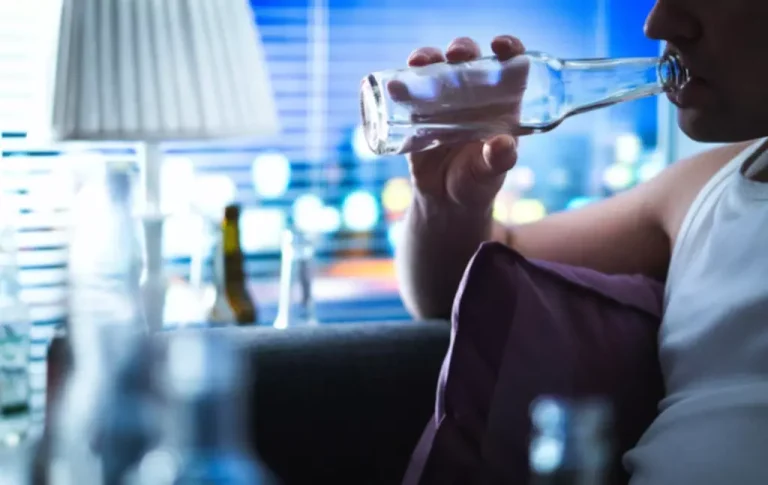
If migraine headaches continue to cause you grief, look beyond home remedies. At the National Headache Institute, we investigate to find the underlying causes of migraine and headaches. We have created customized plans than have helped more than 12,000 people live the pain-free lives they deserve. Dehydration triggers some migraine cases; therefore, drinking plenty of water can help, even after the fact. Drinking water helps replenish your fluids and flush the alcohol out of your system. If you tend to get migraines within three hours or less of drinking, this might work best for you.
Is Gin Good or Bad for People With Migraine?
Males should aim to drink two or fewer drinks daily, and females should aim to drink one or fewer. Other criteria for a person to have a migraine diagnosis include nausea or vomiting and sensitivity to light or noise. Migraine typically begins slowly and may increase in severity if left untreated.

However, some symptoms, such as headaches, fatigue, and insomnia, can persist for several weeks or longer. can alcohol cause migraines Lack of sleep is recognised as a migraine trigger, but other factors may also be important. For example, a lack of sleep can result from depression, anxiety, menopausal hot flushes or delayed bedtime due to social events, work or study – each of these could be a migraine trigger in its own right. Triggers of migraine vary from one individual to the next, but there are some common triggers that affect many people with migraine.
- You must obtain professional or specialist advice before taking, or refraining from, any action on the basis of the content on our factsheets.
- Department of Health and Human Services guidelines, the recommended daily max alcohol consumption is 1 drink per day for women and 2 drinks per day for men.
- However, further studies related to primary headaches and alcohol consumption with low risk of bias are required.
This will be a valuable resource for you and your doctor to start identifying more specific migraine triggers. While some people do experience migraine headaches after drinking alcohol, not everyone does. Another thing that remains unclear is whether the type of alcohol you drink determines whether or not you will get a migraine headache. Some studies found that red wine is a main trigger in migraine https://ecosoberhouse.com/ with aura and cluster type migraine, but they also note that all alcohol could have the same effect. Certain substances found in some alcoholic drinks, especially histamine, tyramine, and sulfites, have been linked to attacks.
- Finally, practicing stress-reduction techniques like exercise, meditation, and even deep breathing exercises can help with headaches.
- More accurate calculation with amount and various types of alcohol was also conducted in studies 26, 27, 45, 54.
- In two cases, questionnaires were supplemented by medical interviews 53, 61.
- However, if you still experience a migraine attack after drinking any kind of alcohol, the best solution is to avoid alcohol altogether.
- Current medical opinions on alcohol consumption are evolving with research, so it’s important to educate yourself on the effects of alcohol on your health.
- Most studies point to red wine as a common headache culprit, particularly in people with migraine.
How long will a cocktail headache last?
- Combine the added stress of quitting drinking with the other neurological causes of headaches during alcohol withdrawal and the severity and frequency of headaches can easily become unbearable.
- But a more useful question is often, ‘How many triggers are needed to begin an attack?
- You could try limiting your intake to no more than three cups of coffee or four or five cups of tea each day.
- You should continue to complete the trigger diary until you have had at least five attacks.
- Staying hydrated is crucial to counteract the dehydrating effects of the withdrawal process.
First of all, the existing studies present data in a heterogeneous way, which may have led to inaccurate results, and do not provide an exhaustive array of information. Information on the gender of participants was unavailable for analysis. So, the question of who is drinking more with a primary headache is still to be addressed. Additionally, only a few of the studies divided participants into migraine with and without aura. Therefore, there was insufficient data to analyze the relationship between alcohol and aura, and the data that does exist is inconsistent 65, 86. As mentioned in the discussion above, alcohol consumption assessment is strongly based on patients’ honesty.
However, according to this idea, populations with higher migraine prevalence should have lower alcohol consumption. For example, due to religious requirements, people in Iran consume considerably less alcohol than Europeans 22, 84; nevertheless, migraine prevalence in Iran is 15.1% 85 while in Europe it is 35% 86. In Europe, alcohol consumption is higher than in Asian countries, but in Europe alcohol as a trigger is reported more frequently than it is in Asia 87. Therefore, this hypothesis seems a less likely explanation for our results. Due to the inclusion of many study designs, the risk of bias was evaluated using tools adjusted to the type of study. The Joanna Briggs Institute (JBI) critical appraisal tools were used for cross-sectional, cohort and case control studies 63.
